

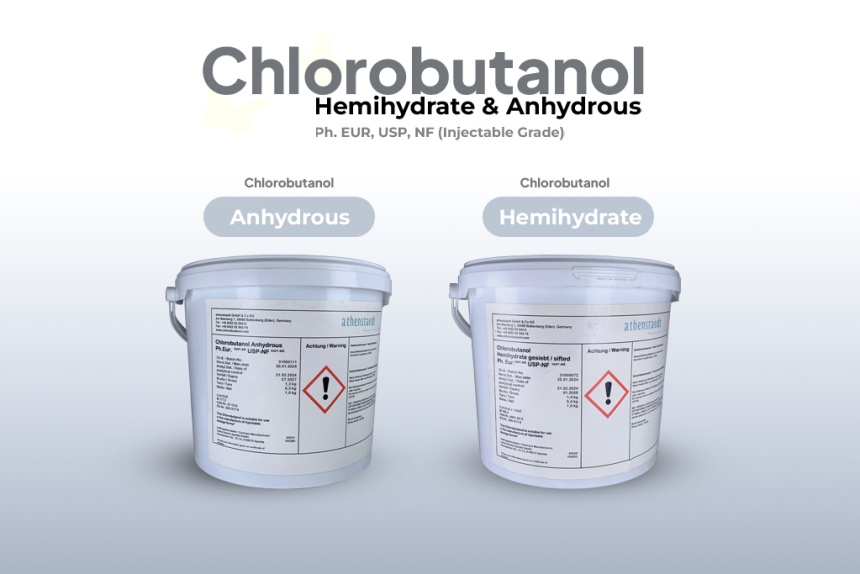
Understanding Chlorobutanol Anhydrous
Chlorobutanol Anhydrous is a chlorinated tertiary alcohol widely used in both ophthalmic and injectable formulations. Its preservative action is effective against a range of bacteria and fungi, making it essential in preventing microbial contamination in multi-use containers. Its compatibility with other excipients and active pharmaceutical ingredients (APIs) adds to its value in formulation science.
Pharmaceutical Applications
This compound plays a crucial role in various dosage forms:
- Ophthalmic Solutions: Prevents microbial growth in eye drops, ensuring safety for repeated use.
- Parenteral Preparations: Used in injectables to maintain sterility after initial vial opening.
- Topical Formulations: Enhances shelf-life of creams, ointments, and gels.
- Oral Liquid Preparations: Provides stability in certain liquid medications, reducing spoilage risks.
Key Benefits in Pharma Manufacturing
In addition to its preservative qualities, Chlorobutanol Anhydrous offers multiple functional benefits:
- Extended Shelf-Life: Slows down degradation, ensuring product potency over time.
- Broad Antimicrobial Spectrum: Effective against bacteria, yeasts, and molds.
- Formulation Compatibility: Works well with a variety of APIs and excipients.
- pH Stability: Maintains efficacy across a broad pH range.
Regulatory Compliance
Regulatory agencies such as the U.S. Pharmacopeia (USP), European Pharmacopoeia (Ph. Eur.), and British Pharmacopoeia (BP) set stringent quality and safety standards for Chlorobutanol Anhydrous used in pharmaceutical manufacturing. Compliance involves:
- Purity Specifications: Meeting pharmacopeial requirements for chemical composition and absence of impurities.
- Microbial Limits: Ensuring the substance is free from harmful microbial contamination.
- Stability Testing: Demonstrating long-term chemical stability under varied conditions.
- GMP Adherence: Manufacturing in facilities compliant with Good Manufacturing Practices.
Safety Considerations
While generally recognized as safe in controlled concentrations, excessive exposure to Chlorobutanol Anhydrous can cause irritation or toxicity. Therefore, manufacturers must adhere to strict dosage guidelines and safety protocols, including:
- Weighing and Handling Controls: Use of closed systems to prevent operator exposure and cross-contamination.
- Ventilation Systems: Ensuring adequate air exchange in production areas.
- Personal Protective Equipment (PPE): Mandatory use of gloves, masks, and goggles.
- Training Programs: Educating staff on safe handling and emergency procedures.
Market Demand and Outlook
The demand for Chlorobutanol Anhydrous is rising in line with the growth of ophthalmic, injectable, and topical drug segments. With increasing focus on patient safety and extended shelf-life, this preservative remains a critical component in modern pharmaceutical development. Manufacturers who meet global compliance standards while ensuring consistent supply will remain ahead in this competitive market.