


Chlorocresol (4-chloro-m-cresol) is a widely used antimicrobial preservative in the pharmaceutical sector, particularly in injectable formulations, topical creams, and ointments. Its primary role is to protect formulations from microbial contamination during manufacturing, storage, and use. But while its functional benefits are undeniable, regulatory scrutiny surrounding its application has intensified in recent years due to safety, environmental, and patient-sensitivity considerations.
Understanding Chlorocresol’s Role in Pharma Formulations
Pharmaceutical-grade Chlorocresol offers a balance between antimicrobial efficacy and formulation stability. Unlike some synthetic preservatives that degrade in high-temperature sterilization, it maintains its potency across a broad temperature and pH range. It is particularly valued in multi-dose vials of vaccines, insulin preparations, and eye drops, where repeated opening could otherwise introduce microbial risks.
Beyond its preservative role, Chlorocresol is occasionally incorporated to maintain product integrity during long storage periods in humid climates a feature particularly relevant for countries like India. However, its use is dose dependent: exceeding recommended concentrations (typically 0.05–0.2% w/v in most formulations) can increase the risk of allergic contact dermatitis in sensitive patients. This is why regulatory agencies demand precise control over batch formulation records, in-process checks, and stability studies.
Global Regulatory Landscape
The compliance framework for Chlorocresol varies significantly between markets.
- India (CDSCO Guidelines): Manufacturers must comply with Schedule M of the Drugs and Cosmetics Rules, ensuring that preservative levels in finished dosage forms are justified by stability data. Pharmacopoeial monographs, such as those in the Indian Pharmacopoeia (IP), list assay methods, purity requirements, and permissible concentration ranges.
- United States (FDA): Under CFR Title 21, Chlorocresol’s inclusion must be supported by safety data, formulation rationale, and preservative efficacy test results in line with USP <51>.
- European Union (EMA): EU regulations demand a risk–benefit justification for all excipients with known allergenic potential. Chlorocresol appears in the Annex to EMA’s Guideline on Excipients in the Label and Package Leaflet of Medicinal Products, which means its presence must be disclosed to patients.
- WHO & International Standards: For vaccines supplied to global markets, WHO-prequalified manufacturing sites must meet additional preservative safety and labeling requirements.
For companies exporting from India, harmonizing compliance across multiple jurisdictions often means preparing dual documentation sets — one for domestic approval and one aligned with ICH Q6A guidelines.
Quality Control and Analytical Requirements
Regulatory agencies expect detailed analytical profiles for each batch of Chlorocresol used in manufacturing. Quality control laboratories typically perform:
- Identification Tests: IR and UV spectroscopy to confirm molecular fingerprint
- Assay: High-performance liquid chromatography (HPLC) or gas chromatography (GC) for potency determination
- Impurity Profiling: Limits on chlorinated by-products and related phenolic impurities
- Microbial Limits: Testing to confirm absence of intrinsic contamination in preservative stock solutions
Documentation must demonstrate traceability from raw material procurement to incorporation in the final product. GMP audits often focus on supplier qualification, change control procedures, and preservation of analytical certificates in line with ALCOA+ principles (Attributable, Legible, Contemporaneous, Original, Accurate, plus Complete, Consistent, Enduring, Available).
Safety and Toxicological Considerations
From a toxicological perspective, Chlorocresol is generally regarded as safe at regulated concentrations, but it is classified as a potential skin sensitizer. Regulatory agencies require clinical safety data or literature references proving that exposure levels in the intended dosage form are non-irritant and non-sensitizing for the majority of patients.
Long-term animal studies have not shown significant carcinogenic effects, but acute toxicity thresholds reinforce the need for careful dosing. The risk is higher in topical dermatological formulations than in injectables, mainly due to prolonged skin contact.
Manufacturing and GMP Implications
In practice, incorporating Chlorocresol in a compliant manner involves strict GMP measures:
- Weighing and Handling Controls: Use of closed systems to prevent operator exposure and cross-contamination.
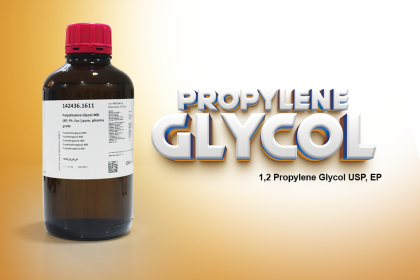
- Solubilization Techniques: Ensuring complete dissolution before adding to the main batch, typically using co-solvents like ethanol or propylene glycol.
- In-Process Testing: Verifying preservative uniformity across the batch through sample analysis from multiple tank locations.
- Stability Studies: Accelerated and long-term studies under ICH Q1A(R2) guidelines to verify preservative efficacy over shelf life.
Environmental and Waste Management Regulations
Environmental regulations are also catching up with pharmaceutical preservatives. Chlorocresol’s phenolic structure can persist in aquatic environments, leading to strict wastewater treatment protocols in GMP plants. In India, effluent discharge containing phenolic compounds must comply with the Environment (Protection) Rules, 1986, which set limits on phenol content before disposal.
Internationally, certain jurisdictions have gone further by requiring lifecycle impact assessments for pharmaceutical excipients an emerging area that may influence future preservative approvals.
Market and Industry Trends
The global pharmaceutical preservative market is evolving as clean-label and allergen-free claims gain traction. While some companies are exploring plant-derived antimicrobial agents, Chlorocresol remains a preferred choice in critical care formulations due to its proven efficacy and cost-effectiveness. However, innovation is moving toward micro-encapsulation of Chlorocresol to minimize free preservative exposure while maintaining antimicrobial activity.
As compliance requirements grow more stringent, the role of digital quality management systems (eQMS) in maintaining preservative-related documentation is becoming indispensable. Manufacturers who integrate regulatory intelligence tools into their workflow are better positioned to navigate diverse compliance frameworks without costly delays.