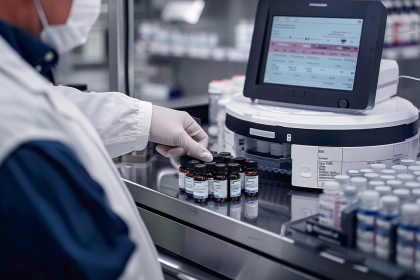



Pharma Companies work supports healthcare systems by ensuring safe, effective, and high-quality medicines reach patients around the world.
What Do Pharma Companies Do?
Pharmaceutical companies handle every stage of a drug’s journey:
- Research & Development (R&D): Discovering new drug molecules, testing them in labs and clinical trials.
- Formulation & Manufacturing: Converting drug substances into dosage forms like tablets, injections, or creams.
- Quality & Regulatory: Ensuring compliance with national and international standards like US FDA, WHO-GMP, or CDSCO.
- Marketing & Distribution: Reaching hospitals, pharmacies, and healthcare providers.

Types of Pharma Companies
Pharma companies can be classified into several types based on their product lines and operations.
|
1. Innovator Companies These firms invest heavily in R&D to discover and patent new drugs. They hold exclusive rights to sell these drugs for a certain period before generics are allowed. Example: Pfizer, Novartis, Roche |
|
2. Generic Drug Manufacturers They produce off-patent drugs that are bioequivalent to branded versions. Generics help reduce treatment costs and increase access. Example: Teva, Sun Pharma, Aurobindo |
|
3. Biopharmaceutical Companies These focus on biologics, gene therapies, and advanced treatments made using living organisms. Example: Biocon, Amgen, Genentech |
|
4. Contract Manufacturing Organizations (CMOs) They manufacture drugs for other pharma companies, often working under strict agreements and audits. Example: Jubilant, Piramal Pharma Solutions |
|
5. API Manufacturers They supply the Active Pharmaceutical Ingredients used to make finished drugs. Some companies specialize only in APIs. Example: Divi’s Labs, Laurus Labs |
Global and Indian Pharma Landscape
India is one of the largest pharmaceutical exporters in the world, supplying over 50% of global vaccine demand and a significant share of generic medicines.
Globally, the pharma market is driven by increasing R&D, the need for personalized medicine, and rising demand for chronic care drugs. In India, the focus is also on affordable healthcare and Make in India initiatives.

Emerging Trends
- Digital Manufacturing: Pharma companies are adopting automation and data analytics for quality control.
- Green Chemistry: Environment-friendly processes are gaining importance.
- Precision Medicine: Companies are developing patient-specific treatments using genetic insights.
Why It Matters
Pharma companies impact public health, economic growth, and medical innovation. Their ability to respond to global health emergencies, such as during COVID-19 has shown how critical the sector is.
With rising demand for specialty drugs, vaccines, and biologics, pharma companies continue to evolve rapidly.
Pharma Company Types: A Quick Comparison
| Feature | Innovator | Generic | Biopharma |
|---|---|---|---|
| Main Role | Discover and launch new drugs | Copy proven drugs after patent ends | Develop drugs from living systems |
| Product Example | New cancer or rare disease drug | Paracetamol, Amoxicillin | Vaccines, insulin, monoclonal antibodies |
| Time to Market | 8–12 years | 2–3 years | 5–9 years |
| Cost of Development | Very high | Low to moderate | Very high |
| Risk Level | High (research failure possible) | Low (known safety/effectiveness) | High (complex testing & handling) |
| R&D Focus | Yes, major investment in R&D | No or minimal | Yes, mainly in biologics |
| Regulatory Path | Full clinical trials (Phases I–III) | Bioequivalence studies only | Specialized regulatory review |
| Market Advantage | First to market, brand name strength | Price advantage, wider reach | Targeted, often personalized medicine |
| Example Companies | Pfizer, Novartis, AstraZeneca | Sun Pharma, Cipla, Teva | Biocon, Genentech, Bharat Biotech |