

To ensure high yield, purity, and viral safety, the process relies heavily on specialized excipients and high-purity reagents particularly for elution, buffering, and virus inactivation steps.
Process Overview: Plasma Fractionation Stages
| Stage | Description |
|---|---|
| 1️⃣ Cryoprecipitation | Initial separation of Factor VIII and fibrinogen |
| 2️⃣ Fractionation | Ethanol precipitation to separate plasma protein classes |
| 3️⃣ Chromatography | Elution and purification of individual protein fractions |
| 4️⃣ Buffer Exchange | Dialysis or ultrafiltration to remove solvents or stabilizers |
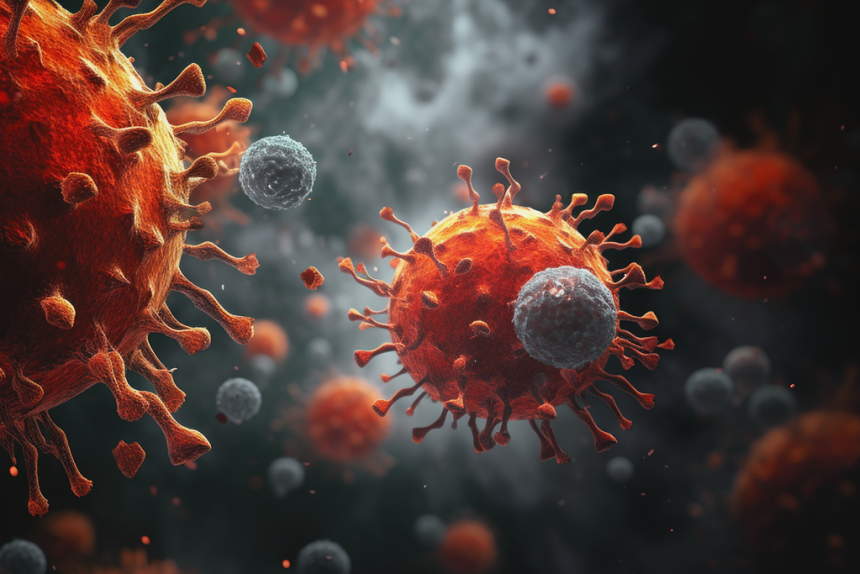
| 5️⃣ Virus Inactivation | Ensures viral safety (e.g., solvent-detergent treatment, low pH, pasteurization) |

Key Roles of Excipients
1. Elution Agents (Chromatography)
These excipients help release the bound protein from chromatographic resins.
| Excipient | Function | Common Use Case |
|---|---|---|
| Arginine | Mild elution of IgG | Affinity chromatography |
| Sodium Chloride | Ionic strength control | Anion/cation exchange elution |
| Glycine | Protein elution | Albumin purification |
2. Buffers (pH Control & Stability)
Buffers maintain ideal pH and ionic strength during protein purification.
| Buffer System | Typical pH Range | Use in Plasma Fractionation |
|---|---|---|
| Phosphate Buffer | pH 6.8–7.4 | Immunoglobulin stability |
| Acetate Buffer | pH 4.0–5.5 | Precipitation and stabilization |
| Tris Buffer | pH 7.5–8.5 | Virus inactivation |
3. Virus Inactivation Reagents
These are critical for ensuring the viral safety of plasma-derived products.
| Excipient | Role | Treatment Method |
|---|---|---|
| Tween 80 | Solubilizer (non-ionic surfactant) | Solvent-detergent treatment |
| Tri-n-butyl phosphate (TnBP) | Viral envelope disruption | Solvent-detergent treatment |
| Glycine or Sugars | Stabilizer during heat treatment | Pasteurization or dry heat |
Regulatory Focus
- Excipients used in plasma fractionation must meet GMP standards.
- Multi-compendial grades are preferred (USP/Ph. Eur./JP).
- Must be free from endotoxins and of high-purity bioprocess grade.
Summary Table
| Application Area | Example Excipients | Function |
|---|---|---|
| Elution (Chromatography) | Arginine, Glycine, NaCl | Protein desorption |
| Buffering Systems | Phosphate, Acetate, Tris | Maintain pH & ionic strength |
| Virus Inactivation | TnBP, Tween 80, Glycine | Disrupt virus envelopes or stabilize proteins |
Pharma-grade excipients for plasma fractionation are designed to meet the highest standards of purity, viral safety, and process consistency. These specialized excipients support critical steps such as chromatographic separation, buffer formulation, and virus inactivation ensuring optimal protein recovery and structural integrity. Whether used for the purification of IVIG, albumin, or coagulation factors, these solutions help maintain compliance with regulatory guidelines without compromising yield or therapeutic efficacy.