

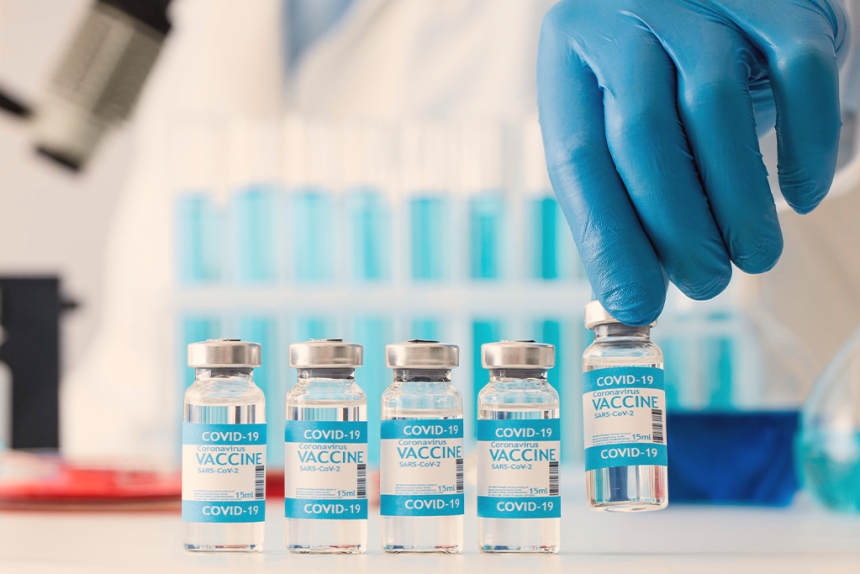
Whether it’s for viral, mRNA, or protein-based vaccines, selecting the right excipients and process conditions can determine the quality, safety, and effectiveness of the final product.
What is Vaccine Formulation?
Vaccine formulation refers to combining the active ingredient (such as a weakened virus, protein, or mRNA) with other components like stabilizers, adjuvants, and preservatives. These non-active ingredients called excipients help maintain the vaccine’s integrity and performance during production, storage, and delivery.
Upstream Use: Enabling Antigen Production
In upstream processes, formulation focuses on supporting cell culture, fermentation, or synthetic processes that produce the antigen (active vaccine component). Common upstream requirements include:
| Component Type | Example | Purpose |
|---|---|---|
| Cell Culture Media | DMEM, RPMI, MEM | Nutrient supply for mammalian/insect cells |
| Amino Acids | L-Glutamine, Arginine | Protein synthesis and energy metabolism |
| Surfactants | Poloxamers, Tween 20 | Reduce shear stress in bioreactors |
| Buffers | Phosphate, Bicarbonate | Maintain pH during cell growth |
| Antifoaming Agents | Silicone-based | Prevent foam in large-scale reactors |
These ingredients optimize the yield, purity, and quality of the antigen that will later be purified.

Downstream Use: Stabilizing and Delivering the Vaccine
After the antigen is extracted and purified, downstream formulation involves combining it with stabilizers, adjuvants, and delivery agents. The goal is to preserve the vaccine’s activity and prepare it for safe and effective administration.
| Excipient Type | Example | Function |
|---|---|---|
| Stabilizers | Sucrose, Trehalose | Prevent degradation during storage |
| Adjuvants | Alum, MF59, CpG 1018 | Enhance immune response |
| Preservatives | Phenol, Thiomersal | Inhibit microbial growth in multi-dose vials |
| Surfactants | Polysorbate 80 | Prevent protein aggregation |
| Buffers | Citrate, Phosphate | Maintain pH for long-term stability |
| Solvent System | Water for Injection (WFI) | Final carrier for administration |
This phase is where dose consistency, safety, and shelf-life are defined.

Formulation by Vaccine Type
| Vaccine Type | Key Formulation Needs |
|---|---|
| Inactivated Vaccines | Stabilizers, preservatives, aluminum adjuvants |
| Live Attenuated | Cold-chain stabilizers, freeze-drying protectants |
| Protein Subunit | Adjuvants, surfactants, isotonic agents |
| mRNA Vaccines | Lipid nanoparticles (LNPs), cryoprotectants, buffering systems |
| DNA Vaccines | Plasmid carriers, stabilizers, delivery enhancers |
Regulatory Aspects
Vaccine formulations must comply with:
- Pharmacopoeial standards (USP, EP, IP)
- GMP guidelines for excipient quality
- Compatibility with final dosage form (vial, prefilled syringe, nasal spray)
Excipients used should be inert, non-toxic, and well-characterized in terms of physicochemical behavior.
Summary: Why Formulation Matters
- Ensures safety, stability, and immune efficacy
- Affects cold-chain sensitivity and transportability
- Impacts scale-up performance and dose reproducibility
- Plays a key role in final vaccine delivery method
Comparison Chart: Upstream vs. Downstream in Vaccine Formulation
| Category | Upstream Formulation | Downstream Formulation |
|---|---|---|
| Objective | Support antigen production (cell growth, gene expression, fermentation) | Ensure antigen stability, delivery, and immunogenicity in final vaccine |
| Key Processes | Cell culture, transfection, fermentation, harvesting | Purification, adjuvanting, stabilization, final filling, packaging |
| Common Excipient Types | – Media components – Buffers – Surfactants – Antifoaming agents | – Stabilizers – Adjuvants – Preservatives – Buffers – Solvents |
| Example Excipients | – DMEM, RPMI – L-Glutamine, Glucose – Tween 20 – Poloxamer 188 | – Sucrose, Trehalose – Alum, CpG 1018 – Thiomersal – Water for Injection |
| Function of Excipients | – Support cell viability & productivity – Maintain optimal pH – Reduce shear stress | – Protect antigen integrity – Enhance immune response – Enable multi-dose storage |
| Formulation Challenges | – Maintaining culture consistency – Preventing contamination | – Long-term stability – Cold chain dependency – Compatibility with delivery route |
| Output of Stage | High-yield antigen material (e.g., protein, mRNA, virus) | Ready-to-administer vaccine (liquid, lyophilized, LNP-based) |
| Quality Considerations | – Raw material traceability – Bioreactor performance | – Sterility – Final product assay – Excipient-API compatibility |