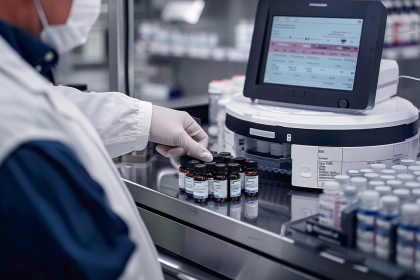


In pharmaceutical formulations, amino acids are used as stabilizers, pH regulators, buffering agents, and active components in injectable solutions, oral therapies, and cell culture media. Their purity, source, and grade determine their suitability for use in human health applications, making pharma-grade amino acids a critical segment of excipient development.
Pharma-grade amino acids must comply with rigorous international pharmacopeias such as USP, EP, JP and are often required to be endotoxin-free and non-pyrogenic, especially when used in parenteral products, biopharmaceutical manufacturing, and vaccine formulation.
Key Uses in Pharma Industry
- Injectable Formulations: Stabilize protein drugs and prevent aggregation
- Cell Culture Media: Feed cells in biologic and vaccine production
- Nutritional Therapy: Used in IV nutrition and metabolic treatments
- pH Adjustment & Buffering: Maintain chemical stability in formulations
- Gene & Cell Therapies: Act as part of delivery systems for advanced therapies
Why Purity Matters
Unlike food-grade counterparts, pharmaceutical amino acids must meet multi-compendial standards, undergo microbiological testing, and be manufactured under GMP conditions. This ensures batch consistency, safety, and compliance with global regulatory frameworks.

Chemical Grade Comparison Chart
| Feature | Pharmaceutical Grade | Food Grade | Industrial Grade |
|---|---|---|---|
| Purity | ≥ 99.9% | 95–98% | < 95% |
| Regulatory Compliance | USP / EP / JP / GMP | FDA / FSSAI / Codex | ISO / Technical Specs |
| Microbial Testing | Mandatory (Sterility, Endotoxin, Pyrogen) | Limited (Pathogens) | Often not tested |
| Use in Human Injectables | Yes | No | No |
| Heavy Metal Limits | Very strict | Moderate | Lax or not defined |
| Batch Consistency | Critical (validated and traceable) | Moderate | Variable |
| Applications | Vaccines, IV fluids, Biopharma, APIs | Supplements, Functional Foods | Fertilizers, Feed, Industrial solvents |
| Cost | High | Medium | Low |