

Understanding 6-Aminohexanoic Acid
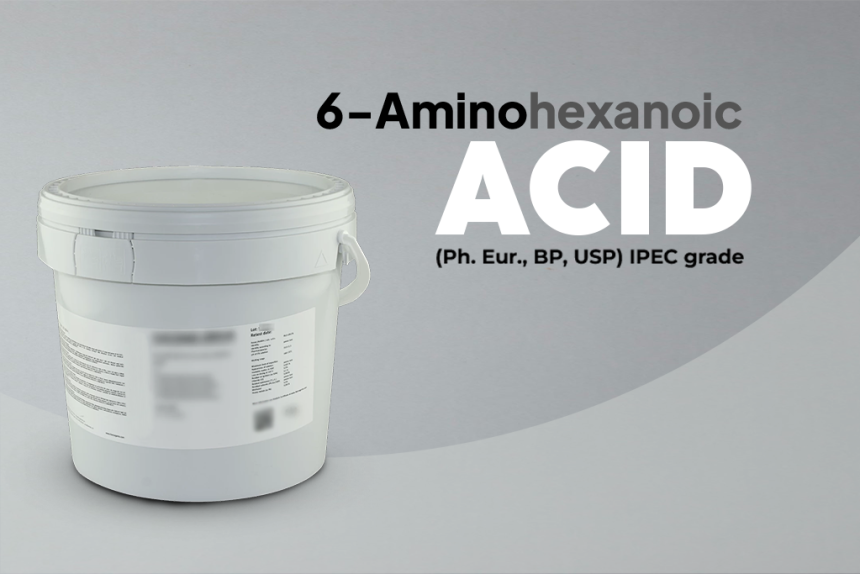
6-Aminohexanoic Acid also known as epsilon-aminocaproic acid (EACA) is a synthetic, water-soluble compound widely recognized for its antifibrinolytic properties. It works by inhibiting enzymes responsible for fibrin breakdown, thereby stabilizing blood clots and controlling excessive bleeding. In modern medicine, it plays an essential role in surgeries, trauma care, and specific bleeding disorders.
Mechanism of Action in Hemostasis
The core function of 6-Aminohexanoic Acid is to prevent fibrinolysis, a process in which blood clots dissolve prematurely. It does this by binding to plasminogen and plasmin, blocking their interaction with fibrin. This protective mechanism ensures that clots remain intact long enough for proper healing to occur, reducing the risk of uncontrolled bleeding.
- Plasmin Inhibition: Slows down clot breakdown to maintain hemostatic balance.
- Targeted Action: Works specifically at sites of active clot formation.
- Rapid Absorption: Quick onset of action makes it ideal in emergency bleeding situations.
Key Applications in Drug Formulation
6-Aminohexanoic Acid is included in several hemostatic drug formulations for its reliable performance across diverse clinical scenarios:
- Post-Surgical Care: Minimizes bleeding during and after complex surgical procedures.
- Dental and ENT Surgeries: Controls microvascular bleeding in delicate tissues.
- Trauma Management: Essential in emergency protocols for accident and injury cases.
- Bleeding Disorders: Used in treating conditions such as hemophilia to reduce hemorrhagic episodes.
Formulation Challenges and Solutions
While highly effective, incorporating 6-Aminohexanoic Acid into hemostatic drugs requires addressing certain formulation challenges:
- Stability Control: The compound must remain stable under varying pH and temperature conditions.
- Bioavailability: Optimizing dosage forms (oral, IV, topical) for rapid and efficient absorption.
- Compatibility: Ensuring it works synergistically with other excipients without compromising activity.
Regulatory and Quality Standards
Given its medical significance, 6-Aminohexanoic Acid must comply with global pharmacopeial guidelines such as USP, EP, and JP. Pharmaceutical-grade material is produced under strict Good Manufacturing Practices (GMP) to ensure safety and efficacy.
- Purity Requirements: Free from harmful impurities and heavy metals.
- Consistent Quality: Each production batch undergoes rigorous analytical testing.
- Documentation: Detailed certificates of analysis (CoA) accompany every batch for regulatory submission.
Why It’s Vital in Hemostatic Medicine
In an era where surgical outcomes and emergency interventions rely heavily on precision and rapid response, 6-Aminohexanoic Acid stands out for its proven ability to control bleeding without introducing excessive clotting risks. Its targeted mechanism ensures it supports the body’s natural healing process without interfering with other vital systems.
Looking Ahead
With advancements in drug delivery systems and ongoing research into hemostatic therapies, 6-Aminohexanoic Acid is expected to remain a cornerstone in bleeding management. Its integration into innovative formulations will likely improve patient recovery times and reduce post-operative complications in the years to come.
Whether used in high-stakes surgeries or as part of emergency trauma kits, 6-Aminohexanoic Acid’s role in modern medicine is irreplaceable. By stabilizing clots precisely when needed, it ensures better outcomes, faster recovery, and safer patient care.