

Understanding Citric Acid Anhydrous in Pharma
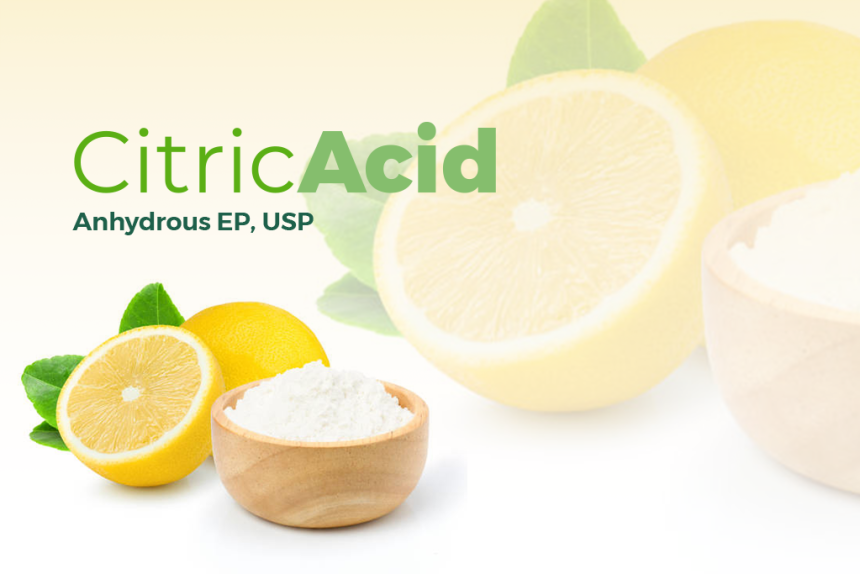
Citric Acid Anhydrous is a fine, crystalline, odorless powder derived from natural citrus fruits or produced synthetically through fermentation. In the pharmaceutical industry, it is widely valued for its dual role as both an acidulant and a pH adjuster. These properties make it essential in stabilizing active pharmaceutical ingredients (APIs) and enhancing the sensory profile of oral medications.
Key Roles in Drug Formulation
The importance of Citric Acid Anhydrous lies in its ability to improve the physical and chemical stability of formulations. By maintaining the right pH level, it prevents degradation of sensitive APIs, ensuring medicines remain effective until their intended shelf life.
- pH Regulation: Maintains the optimal acidity for stability and solubility of APIs.
- Effervescence Agent: Reacts with alkaline compounds to create effervescence in tablets and powders.
- Preservation Enhancement: Helps inhibit microbial growth when combined with preservatives.
- Taste Masking: Improves palatability by balancing bitterness in oral solutions and syrups.
Applications Across Dosage Forms
Citric Acid Anhydrous is versatile, making it an integral component across a variety of dosage forms:
- Oral Tablets and Lozenges: Improves taste and stability while aiding controlled dissolution.
- Powder Formulations: Essential for effervescent products like vitamin C powders.
- Injectables: Adjusts pH to match physiological conditions, minimizing irritation.
- Syrups and Solutions: Balances sweetness and sourness for better patient acceptance.
Regulatory and Quality Considerations
Compliance is critical when using excipients in pharmaceuticals. Citric Acid Anhydrous must adhere to global pharmacopeia standards such as USP-NF, EP, and JP. Manufacturers must ensure the excipient is of pharmaceutical grade, free from contaminants, and produced under Good Manufacturing Practices (GMP).
- Purity Assurance: Tested for heavy metals, moisture content, and residual solvents.
- Batch Consistency: Each batch must meet stringent identity, assay, and microbial limits.
- Global Compliance: Meets the specifications of multiple pharmacopeias for worldwide acceptance.
Why It’s Indispensable
Its multifunctionality—combining pH regulation, preservation, taste masking, and stability enhancement, ensures Citric Acid Anhydrous remains one of the most relied-upon excipients in modern drug development. Without it, many formulations would face reduced efficacy, shorter shelf life, and compromised patient experience.