

Understanding D(-)-Mannitol
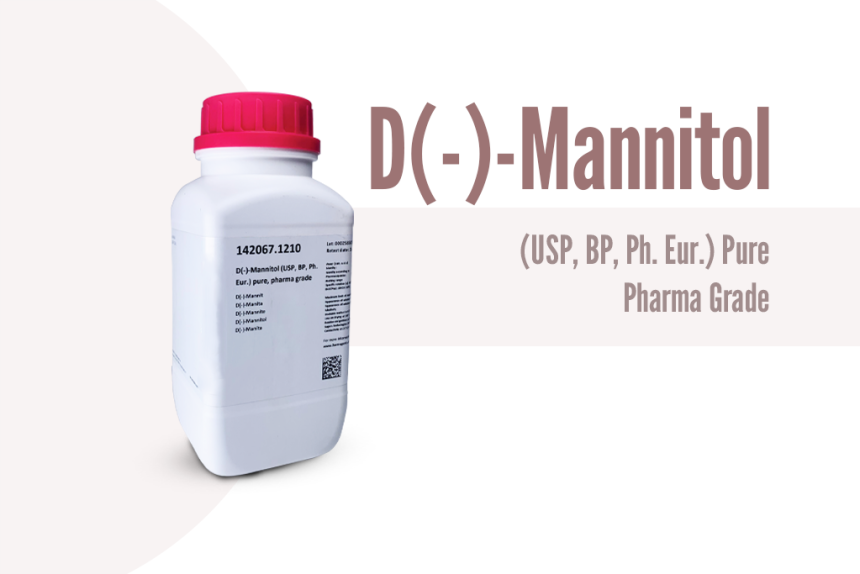
D(-)-Mannitol is a naturally occurring sugar alcohol widely used in the pharmaceutical industry. It stands out for its low hygroscopicity, chemical stability, and sweet, non-cariogenic taste. These characteristics make it a preferred choice for oral solid dosage forms and parenteral preparations. Its versatility allows it to act as a bulking agent, stabilizer, and cryoprotectant in a variety of drug delivery systems.
Role in Tablet Formulations
In tablet manufacturing, D(-)-Mannitol is valued for its smooth mouthfeel and cooling effect, which enhance patient compliance. Its non-reactive nature ensures compatibility with a wide range of active pharmaceutical ingredients (APIs), especially those prone to degradation in the presence of moisture.
- Binder and Diluent: Provides bulk and structure to tablets, ensuring uniformity and proper dosage.
- Disintegration Aid: Facilitates rapid breakdown of the tablet in the digestive system for effective drug release.
- Direct Compression Capability: Allows manufacturers to produce tablets without the need for granulation, saving time and cost.
Use in Capsule Formulations
When used in capsules, D(-)-Mannitol helps maintain flowability and prevents clumping of powder blends. Its inert profile ensures that the active drug remains stable throughout the product’s shelf life.
- Filler in Hard Gelatin Capsules: Offers consistent density and volume for precise dosing.
- Improved Patient Experience: Adds a mild sweetness that masks unpleasant tastes from certain APIs.
Applications in Injections
In injectable formulations, D(-)-Mannitol serves as a tonicity agent and stabilizer. It ensures that the solution matches the osmotic pressure of body fluids, reducing the risk of irritation or discomfort during administration.
- Cryoprotectant: Protects proteins and biological materials during freeze-drying (lyophilization).
- Stabilizing Agent: Prevents API degradation, especially in sensitive biological drugs.
- Tonicity Adjuster: Ensures injectable solutions are isotonic with physiological fluids.
Regulatory and Safety Profile
D(-)-Mannitol is classified as Generally Recognized As Safe (GRAS) by global regulatory agencies, including the US FDA and the European Medicines Agency. It is included in pharmacopeial monographs such as the USP-NF, Ph. Eur., and JP. Its low toxicity and non-metabolizing nature make it suitable for patients with specific metabolic conditions, such as diabetes.
Key Benefits for Pharmaceutical Manufacturers
- High Chemical Stability: Minimizes risk of drug-excipient interactions.
- Moisture Resistance: Ideal for moisture-sensitive APIs.
- Excellent Patient Acceptability: Neutral taste, cooling sensation, and smooth texture.
- Flexible Formulation Options: Suitable for oral, injectable, and chewable dosage forms.